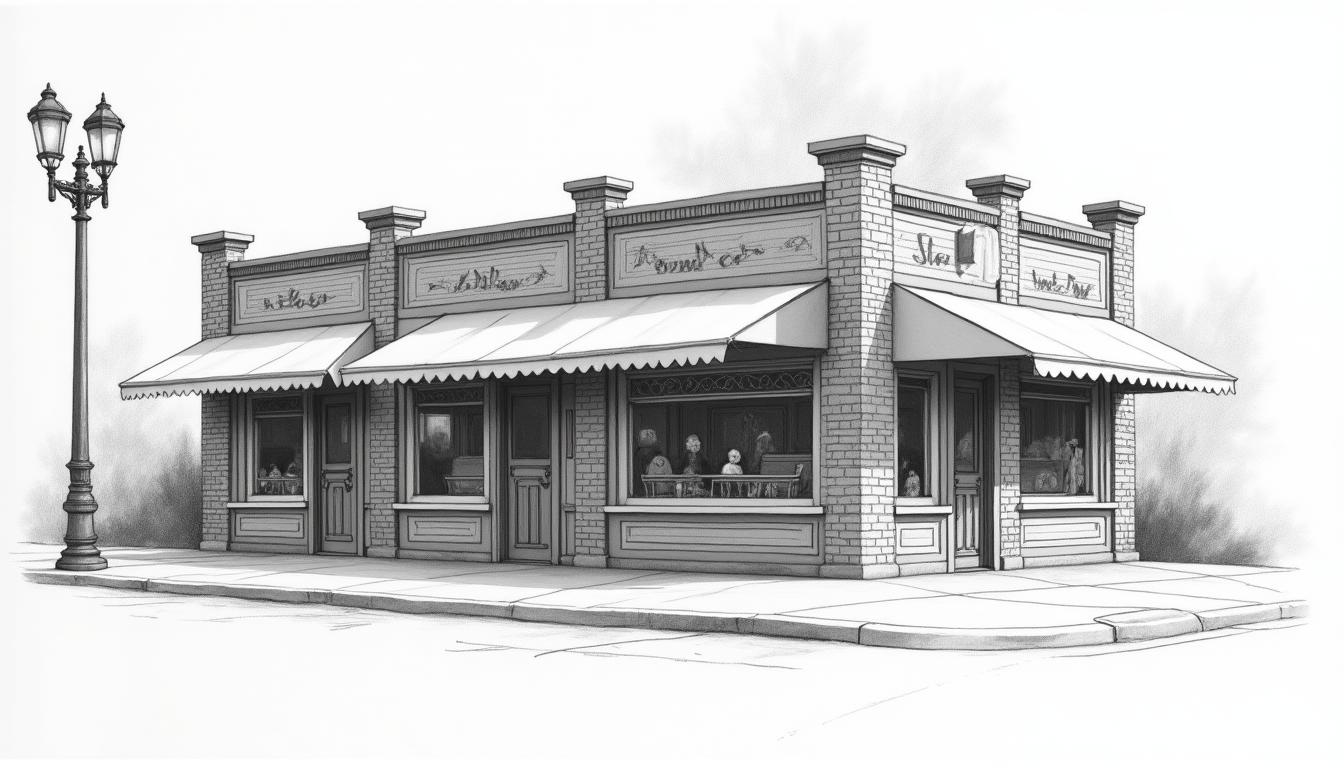
Cole’s French Dip closed Sunday, March 29, 2026, after 118 years at 118 East 6th Street in downtown Los Angeles. Pouring With Heart, the hospitality group founded by Cedd Moses that operates Cole’s, listed the business and the adjacent former Varnish cocktail bar space for roughly $500,000. Multiple groups inquired during the months the listing was active and none of them closed escrow. The structural reason the sale failed is the part of the story worth reading at the operator level, and it’s a pattern California sellers run into often enough that it’s worth naming directly.
What Was on the Table
The asking price covered the operating business and the adjacent former Varnish space, which gave a buyer a 6,200-square-foot footprint in Downtown LA’s historic core, a Type 47 license, an intact bar program, century-plus brand equity, and the documented French dip claim that goes back to Cole’s founding in 1908. Mark Verge, partner with Moses in the Pouring With Heart group, told local outlets that several groups had “kicked the tires,” and Cedd Moses publicly extended the closure date multiple times to give the team additional runway on a deal.
The financial story underneath the listing was real. Pouring With Heart cited near-monthly losses dating to the 2020 lockdowns, downtown Los Angeles street-level deterioration, rent that had climbed against a softer revenue line, and labor costs that pushed against an already compressed margin. A buyer walking into the deal was walking into a turnaround, with the brand equity and the lease as the assets and the operating losses as the work to be undone.
The Constraint That Closed the Door
Verge’s framing of the buyer search was specific. He told reporters he was hoping for a buyer who would “keep Cole’s identity intact instead of gutting the concept.” That preference is owner-rational and rooted in 118 years of brand stewardship the family had carried, and as a structural constraint on a sale of a distressed asset it eliminated the buyer pool that would actually clear the math.
Operators who can underwrite a $500,000 acquisition on a turnaround story do that math on the asset they’re buying, including the lease, the license, the equipment, the brand if it’s worth carrying, and the optionality to reposition the room if the original concept is the part that’s losing money. A contractual or quasi-contractual requirement to preserve the original concept removes that optionality, and removing optionality on a turnaround acquisition is the move that prices out the buyers who could actually close. The strategic operators with the capital and the operating discipline to take a $500,000 distressed Downtown LA box and turn it back to profit aren’t going to commit to running it as a French dip restaurant in writing.
The buyers who inquired fell into two tiers, and the intersection was empty. The first tier was operators who would run it as Cole’s because they were sentimental and undercapitalized, but they couldn’t underwrite the turnaround. The second tier was operators who could underwrite the turnaround but wouldn’t sign onto the legacy constraint as a closing condition.
The Pattern Beyond Cole’s
The legacy-continuation requirement is one of the most common informal seller constraints California operators introduce in conversations about an exit. The constraint shows up in three common flavors, where a seller wants the concept preserved, a seller wants employees retained at current terms, or a seller wants the family name kept on the door. Each of these is a real and legitimate value the seller built into the business, and each one narrows the buyer pool in proportion to how strongly the seller insists on it being a closing condition rather than a preference.
A clean asset sale separates what’s actually being transferred (lease, license, equipment, inventory, working capital, brand IP) from what’s being asked of the buyer post-close. A buyer is going to underwrite the asset and price the buyer’s own operating plan into the offer. If the seller’s preferences match the buyer’s plan, the deal moves. If the seller’s preferences are written into the deal as restrictions on what the buyer can do, the buyer pool that can clear the price collapses to operators who agree with the seller’s vision for free, and that pool is usually smaller than the seller realizes.
Cole’s is the public version of a private conversation that runs through California exit planning constantly. A retiring operator wants the concept to live on, a multi-generational family wants the legacy preserved, and a founder wants the staff taken care of. These are reasonable owner-side hopes that need to be separated from the structure of the sale itself, because confusing them collapses the deal in exactly the way it collapsed for Cole’s.
What California Operators Considering an Exit Should Do With This
Before going to market, a seller should split the conversation in two. One column captures what’s actually for sale, with each asset valued separately and the going-concern enterprise value built up from operating performance. The other column captures what the seller wishes the buyer would do, framed clearly as a preference. The first column drives the deal. The second column shapes which buyers the broker introduces, and a competent buyer will accommodate seller preferences as long as those preferences don’t restrict the operating plan in writing.
Most California buyers in the $250K-to-$5M range are looking for a viable asset they can run on their own thesis. The ones interested in carrying a legacy concept exist, and they’re a smaller subset of the total buyer pool, and a seller who insists on legacy continuation should price into their own expectations the longer marketing window and lower clearing price that constraint produces. The math rewards the seller who is realistic about what their preferences will cost on the closing settlement, since every constraint a seller writes into the deal is a constraint a buyer prices against the offer.
Sources
- CBS Los Angeles, “Iconic downtown Los Angeles eatery Cole’s French Dip officially closes its doors Sunday” (March 28, 2026)
- Hoodline, “Cole’s French Dip Closing March 29 in Downtown LA”
- LAist, “Cole’s French Dip, the historic downtown LA eatery, is closing after 117 years”
Businesses Mentioned
Tags